
Anti-Ageing Skincare for Men Over 50
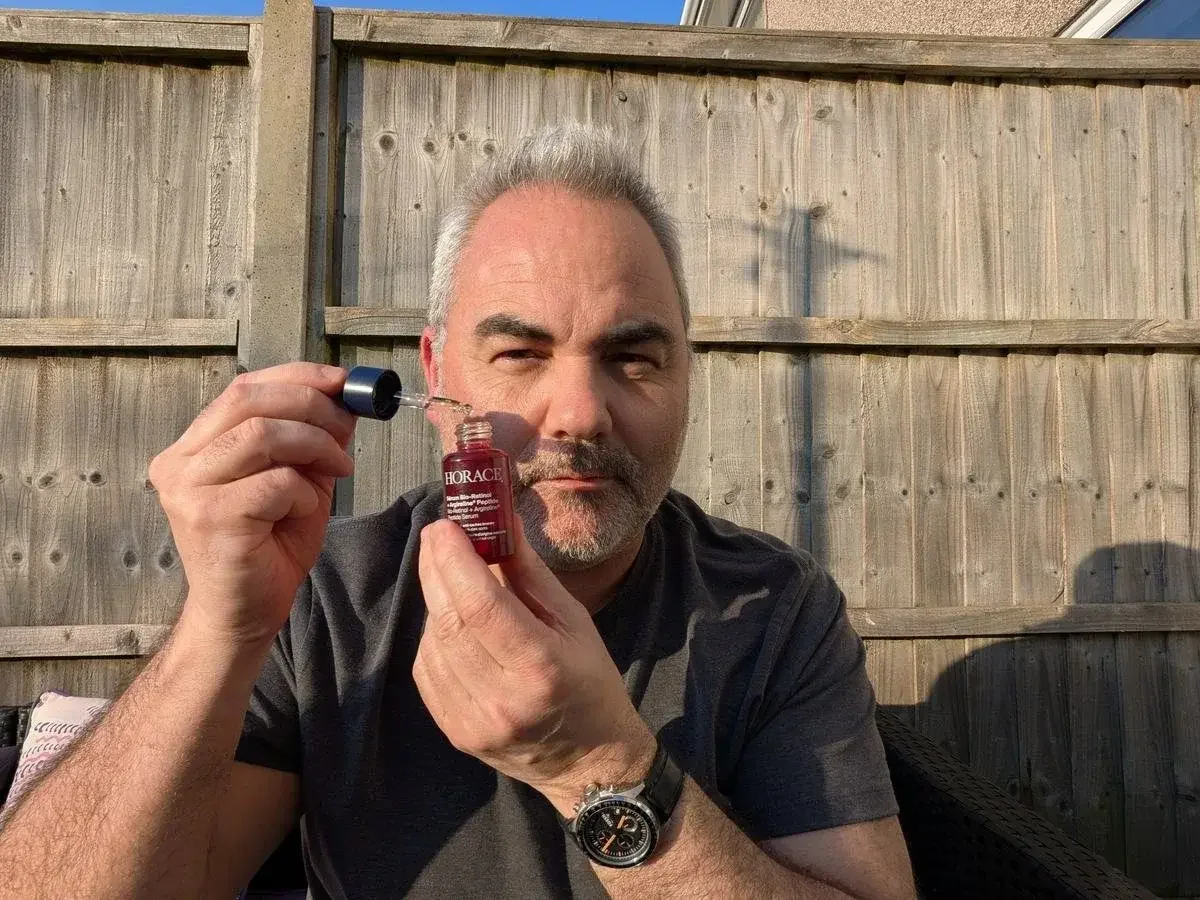
Applying the Horace Peptide and Bio-Retinol Serum: To get the most out of advanced active ingredients like peptides and vitamin C, consistency and technique are key
Transparency Matters: This post contains affiliate links. As an Amazon Associate, I earn from qualifying purchases. However, my opinions are entirely my own. With over 13 years of testing and a background in pharmacy, I only recommend products I physically own and believe in. Your trust is the foundation of this home.
Once you get into your fifties, skincare changes.
The skin is usually drier than it used to be. Fine lines are more noticeable. Sun damage from earlier years starts to show up more clearly. The skin can also look duller, more tired, and less even in tone.
That is the reality. The good news is that a few skincare ingredients really do help.
I want to keep this post simple and useful. Not every anti-ageing product works in a meaningful way. Not every expensive cream is worth your money. But some ingredients have earned their place, and if you use them consistently, they can make a visible difference.
This is not about looking twenty-five again. It is about helping your skin look healthier, smoother, brighter, and better cared for.
What Anti-Ageing Skincare Can Realistically Do
It helps to be clear from the start.
No skincare product can stop ageing. No cream will erase twenty years of sun exposure. And no serum is going to “reverse” time.
What good anti-ageing skincare can do is much more practical than that.
It can:
improve skin texture
soften the look of fine lines
brighten dull skin
reduce the appearance of dark spots
support hydration
help the skin feel firmer and more comfortable
That is where the real value is.
Why Skin Changes More After 50
As we get older, the skin naturally changes.
Collagen production slows down. Cell turnover becomes slower. The skin barrier becomes less efficient. That often means more dryness, less bounce, and a face that does not recover as quickly from poor sleep, shaving, weather, or stress.
That is why skincare after 50 should not just be about buying “anti-ageing” products. It should be about choosing ingredients that genuinely support the skin you have now.
The Ingredients That Actually Work
The "Big 5" Anti-Ageing Actives
Based on my pharmacy background, these are the only ingredients worth your investment after 50.
| Ingredient | What it Does | When to Use | Jerome's Pro Tip |
|---|---|---|---|
| SPF 30+ | Prevents 80% of new ageing. | Every Morning | Non-negotiable. Use it even on grey UK days. |
| Retinol | Supports collagen & texture. | Night Only | Start 2x a week. Patience is mandatory here. |
| Vitamin C | Brightens & defends skin. | Morning | Pairs perfectly under your SPF for extra protection. |
| Peptides | Supports firmness & "bounce." | Night | The "gentle" alternative if Retinol is too harsh. |
| Salicylic Acid | Clears dull, dead skin. | 1-2x Weekly | Use on "Off-Nights" when not using Retinol. |
SPF
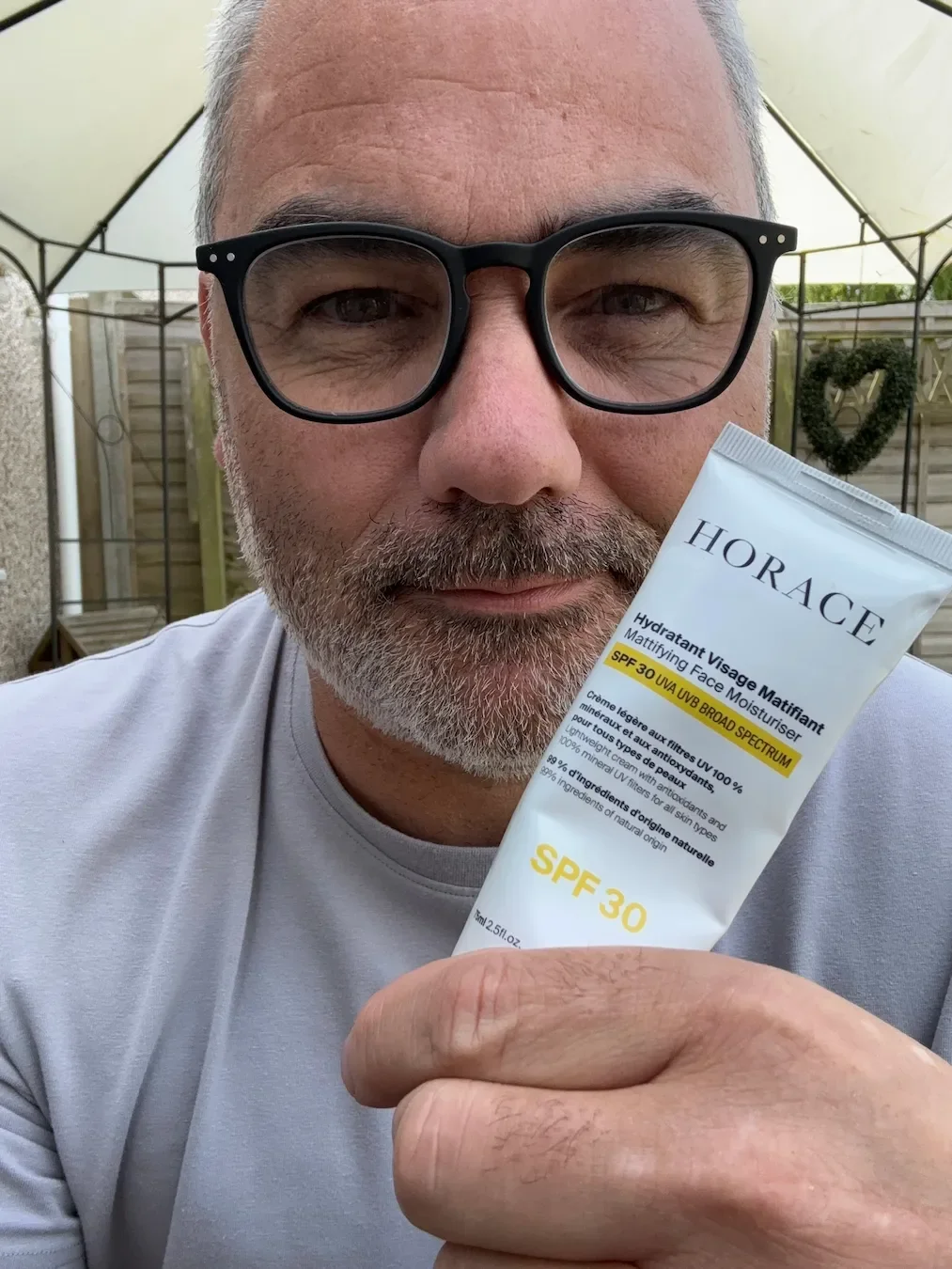
The essential final step: When using active ingredients like Vitamin C or Bio-Retinol, a broad-spectrum SPF 30 like this Horace mattifying moisturiser is non-negotiable to protect your skin's progress.
If there is one product that matters more than any other, it is SPF.
This is the most important anti-ageing step in any routine. More important than retinol. More important than Vitamin C. More important than expensive creams.
The reason is simple. Most visible ageing is linked to sun exposure over time. Fine lines, dark spots, loss of firmness, rough texture — a lot of that is made worse by UV damage.
So if you want to protect your skin going forward, daily SPF matters.
I would keep this very straightforward:
use at least SPF 30
apply it every morning
use it all year round, not just in summer
This is the step many men still skip. It is also the step that makes the biggest long-term difference.
Horace Mattifying SPF 30: If you are using the Vitamin C or Peptide serums I've recommended, you must protect that new skin during the day. This Horace moisturiser is my go-to because it provides high protection without any greasy shine. It’s available directly from Horace.com .
Retinol
Retinol is one of the few anti-ageing ingredients that has genuinely earned its reputation.
Used properly, it can help improve skin texture, support collagen production, and soften the look of fine lines over time. It also helps the skin renew itself more efficiently, which is useful once cell turnover starts to slow down.
The important thing with retinol is patience.
It is not a quick-fix product. In fact, the first few weeks can be slightly awkward. Some men notice dryness, sensitivity, or mild flaking when they begin. That is why it makes sense to start slowly.
My advice would be:
start with a low strength
use it two or three nights a week
build up gradually
give it time
Retinol is one of those ingredients that rewards consistency rather than impatience.
Vitamin C
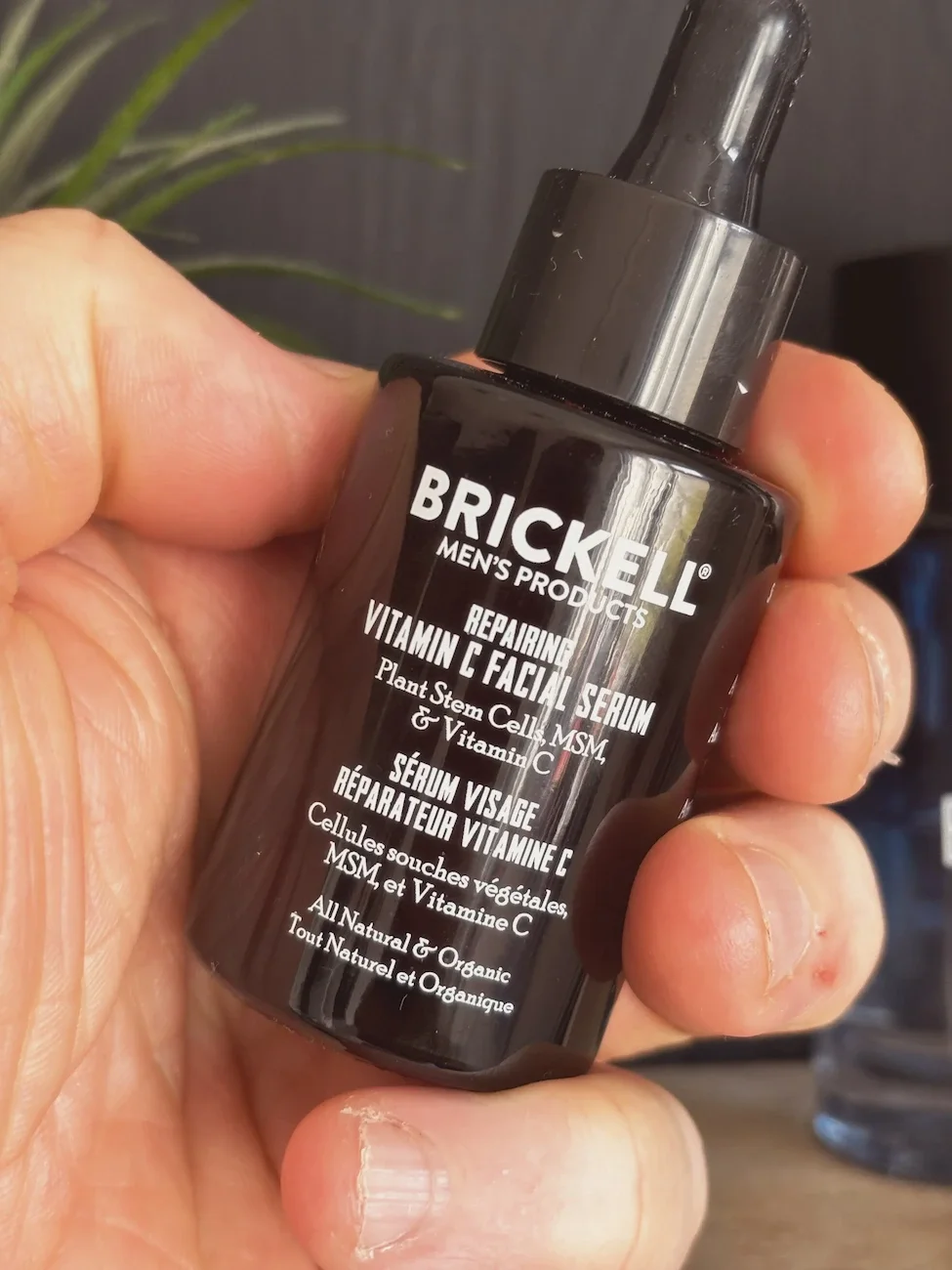
Testing the Brickell Vitamin C Serum: This formula pairs stabilized Vitamin C with protein peptides and plant stem cells to actively repair skin damage while you sleep.
Vitamin C is another ingredient worth paying attention to, especially if your skin is looking dull or uneven.
Its main strength is that it helps brighten the skin and reduce the look of sun damage over time. It also works as an antioxidant, which means it helps defend the skin against the daily damage caused by pollution and UV exposure.
For men over 50, Vitamin C makes sense because it helps with two common concerns:
skin that looks tired or flat
dark spots and uneven tone
Used in the morning, it can give the skin a fresher, healthier look over time.
The key thing is to choose a well-formulated product and then use it consistently enough to judge it properly.
Brickell Vitamin C Serum: This is a staple in my routine because of its versatility—it can be used in the morning to fight environmental stress or at night to aid skin repair. The Vitamin C Serum from Brickell is available on Amazon UK (Check the latest price here) .
Peptides
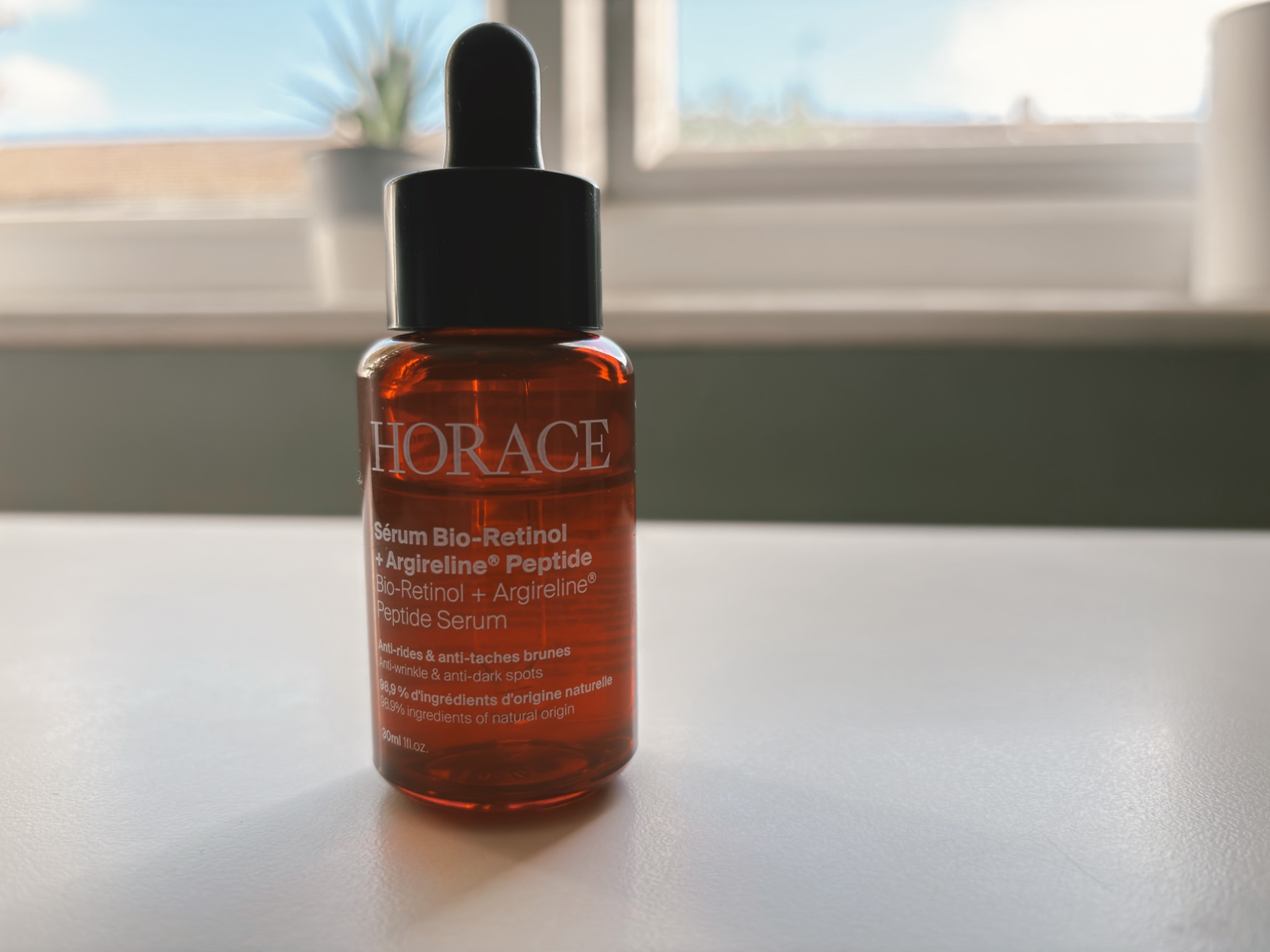
Close-up: The Horace Bio-Retinol + Argireline Peptide Serum uses a 98.9% natural formula to target fine lines and dark spots without the irritation often found in traditional retinol.
Peptides are a good option if you want an ingredient that feels supportive without being too aggressive.
They are often included in anti-ageing products because they help the skin look firmer and more supported over time. They are not as dramatic as retinol, but they are useful, especially for men who want something gentler or who are building a routine around more than one active ingredient.
I think peptides make particular sense in a night cream. That is often the easiest way to use them consistently without overthinking the routine.
For older skin, that kind of steady support matters.
Horace Bio-Retinol & Peptide Serum: This has become a non-negotiable part of my daily routine. It is incredibly easy to apply and sinks in without any fuss. You can pick this up for £24 directly from Horace.com .
Salicylic Acid
Salicylic acid is not always the first ingredient people think of when they hear “anti-ageing”, but it can still be very useful.
As skin gets older, dead skin cells do not shed as quickly as they used to. That can leave the face looking dull and uneven. Salicylic acid helps clear that build-up and keeps the skin surface looking fresher.
Used a couple of times a week, it can help:
improve brightness
smooth texture
help other products work better
You do not need to overdo it. In fact, overusing exfoliating acids is one of the easiest ways to make older skin unhappy. But used properly, salicylic acid can be a very useful supporting step.
A Simpler Anti-Ageing Routine That Makes Sense
I think many men over 50 make skincare harder than it needs to be.
You do not need eight products. You do not need a drawer full of trendy actives. And you do not need to apply everything at once.
A simple routine is usually the better route.
Morning
Cleanser
Vitamin C
Moisturiser if needed
SPF
Evening
Cleanser
Retinol on selected nights
Night cream, ideally with supportive ingredients like peptides
If you want to add salicylic acid, use it on nights when you are not using retinol.
That is enough. It is realistic, easy to stick to, and built around ingredients that actually do something useful.
How Long Does It Take to See Results?
This is where a lot of men get frustrated.
The truth is that anti-ageing skincare takes time. Not because it does not work, but because skin does not change overnight.
Here is the honest version:
hydration and comfort can improve quite quickly
brightness can improve within a few weeks
fine lines, firmness, and texture usually take longer
retinol and peptides often need a few months of consistent use
That is why patience matters so much. Good skincare is less about dramatic before-and-after moments and more about steady improvement.
Where I Would Start
If you are over 50 and want to improve your skincare without making it complicated, I would start here:
First, use SPF every morning.
If you do only one anti-ageing step, make it this one.
Second, add a good night cream.
Older skin usually needs more overnight support than it used to.
Third, introduce retinol slowly.
This is where a lot of the visible long-term improvement can come from.
Fourth, consider Vitamin C in the morning.
Especially if your skin is dull or uneven.
That is already a strong routine.
Final Thoughts
Anti-ageing skincare for men over 50 does not need to be clever. It needs to be consistent.
The ingredients that matter most are not always the ones with the loudest marketing behind them. What matters is using a few proven ingredients properly, giving them time, and building a routine you can actually stick to.
If your skin is drier, duller, or more lined than it used to be, that is normal. The right skincare will not change your age, but it can absolutely help your skin look better, feel better, and age in a healthier way.
That, to me, is the point.
Jerome
FAQ
Q: Can I use Vitamin C and Retinol at the same time?
Jerome's Answer: "I wouldn't. Vitamin C works best in the morning to fight daytime pollution. Retinol works best at night during the repair cycle. Using them together can also cause unnecessary irritation on mature skin."
Q: Is 'Natural' skincare better for anti-ageing?
Jerome's Answer: "Not necessarily. 'Natural' is a marketing term, not a medical one. Ingredients like Retinol are lab-synthesized because that's how we ensure they actually penetrate the skin barrier to work."
Q: If I use a high SPF, will I still get a tan?
Jerome's Answer: "You might get a very slight one, but after 50, a 'tan' is essentially visible DNA damage. I'd prioritize the health of your skin over a temporary glow."
Written by Jerome, founder of byjerome.co.uk — The home of men over 50. Jerome has a background in healthcare and pharmacy and has personally tested over 1,000 skincare products over 13 years. Every product featured on this site has been used by Jerome himself.